

What’s Actually Causing My Fatigue? The Test I Tried That Gave Me Clarity

Fatigue affects between 10-20% of all patients consulting with primary care physicians, making it one of the most common health complaints doctors hear. I was part of that statistic, dealing with exhaustion that went beyond normal tiredness. Despite adequate sleep each night, my energy levels remained low, and the fatigue persisted day after day.
For months, I tried standard approaches, earlier bedtimes, reduced commitments, increased water intake, and supplements. My fatigue continued despite normal blood test results. After researching potential causes, I found connections between food sensitivities, gut health, and persistent exhaustion. Approximately 75% of patients with depression also suffer from fatigue, but what about those without depression? What drains our energy? That's when I decided to try an at-home food sensitivity test that provided the clarity I had been seeking.
The Fatigue That Wouldn't Go Away
My experience with extreme fatigue began gradually about two years ago. I initially dismissed it as needing more sleep or stress from work and family obligations. Something was wrong with my energy levels.
How I knew it wasn't just being tired
Normal tiredness comes and goes. This was different persistent exhaustion that remained constant. Unlike regular fatigue that improves after sleep, this feeling stayed regardless of rest.
The clearest sign was energy crashes at 2 PM every day. Before this, I could work a full day, manage household tasks, and handle evening activities. Now, making dinner required significant effort.
Brain fog became thick enough that I forgot conversations from hours earlier. Tasks that once took minutes now demanded extensive concentration. These symptoms indicated something in my body wasn't functioning properly rather than simple tiredness or sleep deprivation.
Why sleep, coffee, and rest didn't help
I tried standard approaches. Sleep hygiene changes included regular bedtimes, no screens before bed, blackout curtains, and mattress upgrades. After sleeping 8-9 hours, I still woke up feeling unrested.
Coffee became necessary, but three cups barely affected my fatigue. I reduced commitments and scheduled rest periods during the day. These attempts at rest left me more disoriented than refreshed.
Weekend recovery didn't work. Most people recover after Saturday and Sunday rest, but my exhaustion remained constant. This pattern indicated something else was occurring, something my body was continuously reacting to rather than simply needing more rest.
The emotional toll of constant exhaustion
Chronic fatigue creates psychological impacts that are often underestimated. I experienced difficulties with work performance, relationships, and parenting responsibilities. The depletion of energy affected daily functioning, and guilt accompanied these challenges.
Social activities became problematic. Frequent cancellations due to exhaustion led to reduced invitations from friends. This pattern resulted in isolation and feelings of inadequacy.
The most significant concern was the change in my functional capacity. The person who previously managed multiple responsibilities efficiently now needed to prioritize basic tasks like personal care and meal preparation.
My doctor's recommendations did not include consideration of food sensitivities as potential contributors to these symptoms. After another normal blood test result, I researched the relationship between gut health and energy levels. This research led me to consider that dietary factors might be contributing to my constant exhaustion.
Common Causes of Fatigue You Might Overlook
When standard blood tests show normal results but fatigue persists, additional factors require investigation. Research reveals several causes that doctors often miss during chronic exhaustion evaluations.
Hidden food sensitivities
Food sensitivities differ from immediate allergic reactions. These sensitivities produce delayed symptoms that are difficult to connect to specific foods. They trigger inflammation throughout your body, resulting in constant fatigue.
A University of York study found 87% of participants reported increased energy levels after eliminating their "trigger" foods. These sensitivities develop through genetics, repeated exposure to the same foods, and gut wall damage from abnormal microbiota.
Common food sensitivity culprits include:
Gluten (found in wheat, barley, and rye)
Dairy products
Corn
Soy
Eggs
These foods form the foundation of typical American diets. For many people with persistent fatigue, eliminating gluten alone has resulted in better energy, clearer thinking, and reduced aches and pains.
Gut health imbalances
Your digestive system affects more than digestion. An imbalanced gut microbiome drains energy through several mechanisms.
Digestive problems reduce nutrient absorption, create inflammation, and disrupt gut-brain communication. Chronic constipation creates additional energy drain when your colon remains too full.
Research shows people experiencing chronic fatigue have less bacterial diversity in their gut. Harmful bacteria overgrowth generates byproducts that trigger inflammation. This creates a cycle that erodes the protective intestinal membrane.
This process causes vague, persistent tiredness that continues for months or years without obvious cause.
Chronic stress and burnout
Constant stress leads to burnout, emotional, physical, and mental exhaustion beyond normal tiredness. 13.5% of U.S. adults report feeling "very tired" or "exhausted" most days or every day.
Burnout differs from stress. The Cleveland Clinic explains stress involves "too much", too many pressures demanding too much of you. Burnout involves "not enough" feeling empty and mentally exhausted, lacking motivation.
Burnout's physical effects include fatigue, frequent illnesses, stomach problems, and muscle pain. Burnout causes chronic inflammation throughout your body, diverting energy from daily activities toward immune processes.
Hormonal shifts and deficiencies
Hormonal imbalances silently drain energy. For women, perimenopause and menopause trigger fatigue through hot flashes and night sweats that disrupt sleep patterns. Thyroid disorders impact energy levels even when conventional testing shows "normal" ranges.
Vitamin deficiencies play major roles. More than 40% of adult Americans lack sufficient vitamin D, linked to fatigue, muscle weakness, and mood disorders. About 20% of Americans have inadequate vitamin B12 levels, impairing energy production and leading to anemia.
Iron deficiency anemia represents another common cause, with fatigue typically appearing first. Your body requires sufficient iron to produce healthy red blood cells and transport oxygen effectively.
Cortisol imbalances from chronic stress create "tired but wired" states, exhaustion without proper rest ability. This creates depleting cycles particularly common among busy moms managing multiple responsibilities.
Common Causes of Fatigue You Might Overlook
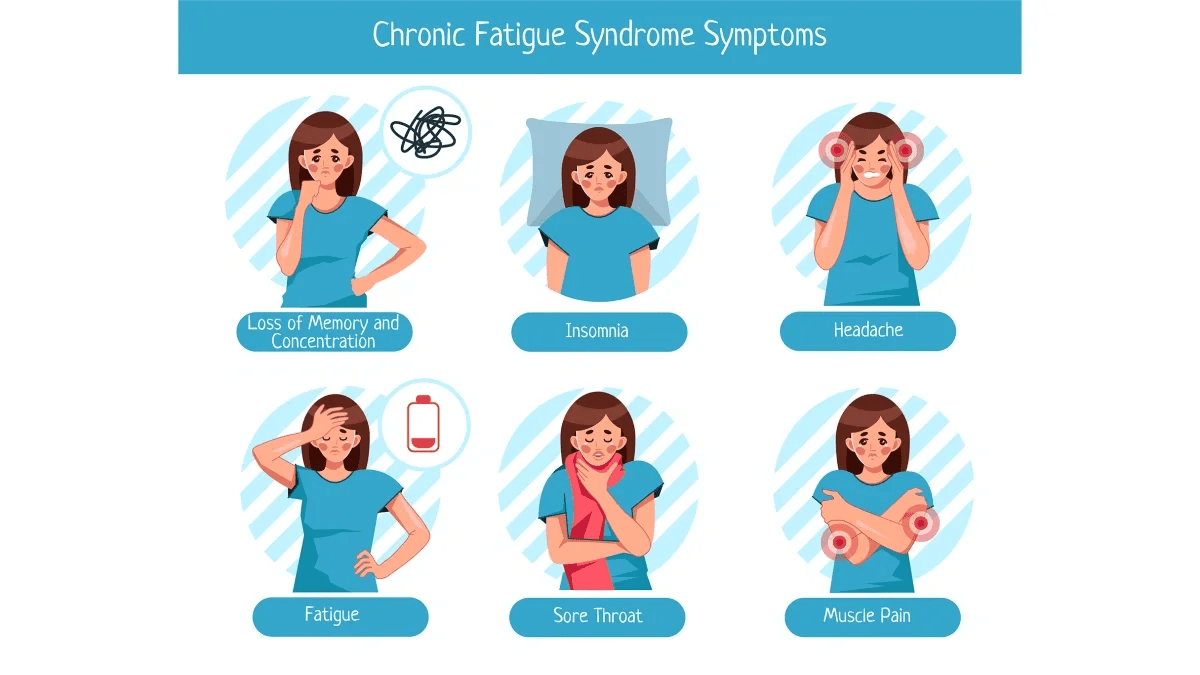
!Illustrations showing chronic fatigue syndrome symptoms: memory loss, insomnia, headache, fatigue, sore throat, and muscle pain.
Image Source: Los Angeles Times
When standard blood tests come back normal yet fatigue persists, it's time to look deeper. After investigating the research, I discovered several hidden culprits that doctors frequently miss when evaluating chronic exhaustion.
Hidden food sensitivities
Unlike immediate allergic reactions that cause hives or breathing problems, food sensitivities often produce delayed symptoms that can be difficult to connect to specific foods. These sensitivities trigger inflammation throughout your body, leaving you constantly drained.
According to a University of York study, 87% of participants reported increased energy levels after eliminating their "trigger" foods . These sensitivities develop for various reasons including genetics, repeated exposure to the same foods, and damage to the gut wall from abnormal microbiota.
The most common culprits behind food sensitivity-related fatigue include:
Gluten (found in wheat, barley, and rye)
Dairy products
Corn
Soy
Eggs
These foods often make up the bulk of typical American diets . For many people struggling with persistent fatigue, eliminating gluten alone has resulted in better energy, clearer thinking, and reduced aches and pains .
Gut health imbalances
Your digestive system impacts more than just digestion. An imbalanced gut microbiome can drain your energy through several mechanisms.
Digestive problems make it harder for your body to absorb nutrients, create inflammation, and disrupt the gut-brain communication pathway . Conditions like chronic constipation put a direct "drag" on your energy when your colon is too full .
Research shows that people experiencing chronic fatigue tend to exhibit less bacterial diversity in their gut . When harmful bacteria overgrow, they generate byproducts that trigger inflammation, creating a cycle that continues to erode the protective mucosal membrane of your intestines.
This process contributes to what many experience as a vague, lingering tiredness that persists for months or even years without any obvious cause .
Chronic stress and burnout
Constant stress eventually leads to burnout, a state of emotional, physical, and mental exhaustion that goes beyond normal tiredness. Approximately 13.5% of U.S. adults report feeling "very tired" or "exhausted" most days or every day .
Burnout differs from stress. As the Cleveland Clinic explains, stress involves "too much", too many pressures demanding too much of you. Burnout, in contrast, is about "not enough", feeling empty and mentally exhausted, devoid of motivation .
The physical toll of burnout includes fatigue, frequent illnesses, stomach problems, and muscle pain . Burnout can lead to chronic inflammation throughout your body, which diverts energy away from daily activities toward managing immune processes .
Hormonal shifts and deficiencies
Hormonal imbalances are often silent energy thieves. For women, perimenopause and menopause can trigger fatigue through hot flashes and night sweats that disrupt sleep patterns . Thyroid disorders impact energy levels, even when conventional testing results fall within "normal" ranges.
Vitamin deficiencies play a major role. More than 40% of adult Americans are deficient in vitamin D, which is linked to fatigue, muscle weakness, and mood disorders . About 20% of Americans have inadequate vitamin B12 levels, potentially impairing energy production and leading to anemia .
Iron deficiency anemia is another common culprit, with fatigue typically being the first sign . Your body needs sufficient iron to produce healthy red blood cells and transport oxygen effectively.
Cortisol imbalances from chronic stress can leave you "tired but wired", exhausted yet unable to rest properly . This creates a depleting cycle that's particularly common among busy moms juggling multiple responsibilities.
The Test That Changed Everything
After exhausting conventional medical options with nothing to show for it, I decided to explore alternative solutions for my unrelenting fatigue. My research consistently pointed toward food sensitivities as a potential culprit, even though this wasn't something my doctor had mentioned.
Why I chose a food sensitivity test
Following months of reading scientific literature, I discovered the University of York study showing that 87% of participants with fatigue reported increased energy levels after eliminating their "trigger" foods. This statistic grabbed my attention immediately.
Food sensitivities often create delayed reactions that can be impossible to identify without testing. Unlike food allergies with their immediate and obvious symptoms, sensitivities can affect your energy levels hours or even days after consuming trigger foods. This timing disconnect makes them particularly difficult to pinpoint through elimination diets alone.
I was drawn to food sensitivity testing because it offered a data-driven approach rather than more guesswork. Since traditional blood tests had shown nothing unusual, yet my symptoms persisted, I needed something that looked at different markers altogether. Try the at-home test that helped me pinpoint the problem if you're experiencing similar frustration with unexplained fatigue.
How the at-home process worked
The at-home testing process was straightforward. My kit arrived with clear instructions for collecting a small blood sample via finger prick. The collection device was designed to extract sufficient blood to conduct a detailed analysis.
Once collected, I mailed my sample to their laboratory using the pre-paid packaging included in the kit. The lab then screened my blood for IgG antibody reactions to approximately 100 different foods including dairy, grains, eggs, meats, and vegetables.
The entire process from ordering to receiving results took about two weeks. Throughout, the company provided status updates and offered support for any questions.
What my results revealed
My results arrived digitally through an online portal, presented as a detailed report showing varying levels of IgG antibody responses to different foods. The report categorized foods from high to low reactivity, suggesting which ones might be worth temporarily eliminating from my diet.
IgG antibodies are memory antibodies that denote exposure or tolerance to foods. Higher levels typically mean you eat those foods regularly, which explains why some of my staple foods appeared on the "reactive" list.
3 surprising sensitivities I didn't expect
The test revealed several unexpected sensitivities that I never would have connected to my fatigue:
Eggs - A breakfast staple I consumed nearly every morning
Almonds - My go-to "healthy" snack that I ate almost daily
Tomatoes - Present in many of my favorite meals and sauces
What shocked me most was that these "healthy" foods I'd been consistently incorporating into my diet might actually be contributing to my exhaustion. The foods triggering sensitivities aren't necessarily unhealthy, they're simply foods your individual body might be reacting to.
Although some medical organizations question the validity of IgG testing, my personal experience aligned with what many functional medicine practitioners observe: identifying and removing reactive foods often leads to noticeable symptom improvement, especially regarding energy levels.
What I Did After Getting My Results
Once I received my test results, I had a clear starting point for addressing my persistent fatigue. The report provided specific foods to eliminate, which became my immediate action plan.
Adjusting my diet based on sensitivities
I began by completely removing my highest reactive foods (eggs, almonds, and tomatoes) from my diet. For other moderate sensitivity foods, I found that consuming small amounts occasionally caused few symptoms if any. I kept a detailed food diary to track what I ate and any subsequent reactions. This approach helped me establish which foods genuinely affected my energy levels versus those I could tolerate in moderation.
Supporting my gut health naturally
I focused on healing my digestive system. I increased my fiber intake through fresh vegetables and fruits, which serve as prebiotics, food for beneficial gut bacteria. Staying properly hydrated became a priority, as water helps protect the digestive tract and prevents constipation. I incorporated stress-reduction techniques like deep breathing and meditation, as research shows chronic stress negatively impacts the gut microbiome.
Tracking energy levels and symptoms
I maintained a daily log tracking everything I consumed alongside my energy levels, mood, and physical symptoms. I paid close attention to the timing of reactions, noting that sensitivity symptoms often appeared hours after eating trigger foods. Try the at-home test that helped me pinpoint the problem if you're struggling with similar unexplained fatigue despite normal blood tests.
When I started noticing real changes
My first noticeable improvements appeared within one to two weeks, less bloating and slightly improved energy. The most significant changes emerged between three to six weeks, including consistent energy throughout the day and fewer afternoon crashes. At the six-week mark, I could clearly distinguish which eliminated foods made the biggest difference when they were removed from my diet.
Other Tests to Consider If You're Still Tired
Food sensitivity testing may not resolve all fatigue issues. Several other testing options can identify different underlying causes.
Gut health test options
Microbiome tests analyze bacterial diversity in your digestive system, identifying imbalances that affect energy levels. These tests require a small stool sample collected at home.
Tests for intestinal permeability ("leaky gut") measure how effectively your intestinal lining functions as a barrier. A compromised gut lining allows partially digested food particles and toxins to enter your bloodstream, potentially triggering immune responses that deplete energy reserves.
Hormone and thyroid panels
Standard thyroid tests often miss subtle imbalances. Comprehensive panels include TSH, Free T3, Free T4, Reverse T3, and thyroid antibodies for complete assessment. Adrenal function testing through cortisol rhythm assessments can identify stress-related fatigue patterns throughout the day.
For women, estrogen, progesterone, and testosterone level testing helps identify hormone-related exhaustion, particularly during perimenopause or after childbirth.
Sleep quality assessments
Poor sleep quality can appear as chronic fatigue. At-home sleep tracking devices measure time spent in deep sleep versus light sleep. Sleep studies can identify conditions like sleep apnea or periodic limb movement disorder that prevent restorative rest.
When blood tests show nothing but you still feel off
Negative test results often prompt doctors to stop investigating. Functional medicine practitioners typically examine nutrient deficiencies more thoroughly. Try the at-home test that helped me pinpoint the problem alongside specialized assessments like organic acid testing, which examines metabolic function and nutrient utilization.
Conclusion
Living with unexplained fatigue can feel like an uphill battle. My journey from constant exhaustion to renewed energy shows that answers exist, though they might not appear on standard medical tests. After months of frustration, discovering the connection between my food sensitivities and depleted energy levels provided the clarity I needed.
The most surprising aspect was learning that "healthy" foods like eggs, almonds, and tomatoes were draining my energy. This changed my understanding of how individual nutrition works. What helps one person might deplete another.
The changes after eliminating my trigger foods were gradual. Small improvements in bloating and slight energy boosts appeared first. The afternoon crashes diminished, and steady energy became my new normal. I regained my sense of self, that capable, energetic person who had disappeared beneath layers of exhaustion.
Food sensitivities represent one potential cause of persistent fatigue. If you're still struggling despite normal blood tests, consider gut health assessments, hormone panels, or sleep quality evaluations. Persistence matters when conventional medicine falls short.
Some medical professionals question food sensitivity testing methods. My personal results speak for themselves. The proof lies in how you feel after making targeted dietary changes. For those stuck in the cycle of unexplained exhaustion, especially busy mothers managing multiple responsibilities, this approach might provide the breakthrough you need.
Your path to renewed energy might look different from mine. You deserve answers beyond "everything looks normal." Life is too short to spend it exhausted.
Try the at-home test and start with clear, personalized insight instead of more guessing. That one step might be exactly what your exhausted body needs to finally understand what’s draining your energy. If you’re living with persistent fatigue, brain fog, or that feeling that something is “off” despite normal blood work, you don’t have to keep pushing through without answers.
If you’d like support interpreting your results, exploring root causes of fatigue, or building a sustainable plan that supports your gut, hormones, and nervous system, our team at Shoreside Therapies can help. We work with clients to create practical, realistic strategies that restore energy, reduce inflammation, and support whole-body regulation without extreme restrictions or overwhelm.
Contact VitalMinds today to learn how we can help you move from constant exhaustion to steady, sustainable energy, starting with one informed step toward understanding what your body has been trying to tell you.