Staying Informed Without Overwhelm: What Actually Helps My Brain
The numbers are shocking - 47% of users can't find the information they need to do their jobs. I've struggled to develop an information management strategy that works in today's overwhelming digital world. The future looks even more daunting. Global digital data will reach 181 zettabytes by 2025 (that's one trillion gigabytes!). No wonder many of us feel buried under an avalanche of content.
Our brains get overloaded when there's more input than we can process. This happened to me too. The stats tell an interesting story - 88% of organizations say they have an information management strategy. Yet 44% lack basic elements like archiving policies and retention guidelines. The problem gets worse. Half of all organizations keep content that's over five years old. I needed better ways to process information that would help me stay informed without feeling overwhelmed.
This piece will show you how I changed my relationship with information consumption and found a secret weapon. It helps me stay informed while protecting my mental wellbeing. You'll learn about my practical system and the simple but powerful habits that can reduce information overload.
The moment I realized I was drowning in content
I didn't see it coming. One day, I looked up from my phone and realized I couldn't remember the last time I'd finished reading a book. After having children, my love for reading got replaced by endless scrolling through news feeds, social media updates, and half-read articles.
How content bloat crept into my life
You might recall the days we read newspapers and magazines. My digital life now looks like a cluttered attic. Information piles up faster than I can sort through it. This "content bloat" happens as we pile up page after page of thinly researched or copied content, hoping quantity somehow equals value.
My daily routine became a textbook case of information overload. News alerts woke me up. I checked social media during breakfast, listened to podcasts during commutes, scanned work emails, read text messages, and ended my day with more scrolling. The non-stop news cycle created a constant stream of updates that added to my stress and anxiety.
My habits included what researchers call "doomscrolling" – I compulsively scrolled through negative news content. This led to higher levels of anxiety, stress, and secondary traumatic stress. Things got worse when I caught myself "zombie scrolling" – moving through social media without purpose, stuck in what experts call 'slot-machine feedback loops'.
For some people, screen-free options like audiobooks can offer a more supportive way to stay informed without adding to cognitive overload.
The mental toll of constant consumption
I brushed off my information habits as staying connected at first. The cognitive price became clear soon enough. Information overload strikes when the volume, speed, and complexity of incoming data overwhelm our brain's processing power. My brain had reached its limits.
The symptoms showed up clearly:
Mental fatigue: A constant tiredness that made clear thinking hard
Decision paralysis: Too many options left me unable to choose
Sleep disruption: Screen time and blue light messed with my natural sleep cycles
Anxiety and irritability: Processing too much information drained me mentally
Studies show this is common – too much screen time links to lower self-esteem, poor concentration, memory problems, and faster cognitive decline. Parents with sleep issues report more stress – something I experienced firsthand.
Why I needed a better way to stay informed
I knew these problems existed, but staying informed was still important. My approach to managing information wasn't working. Our brains can only handle so much information at once. Past that point, you hit what experts call "paralysis of information" – you can't process or act on what you're taking in.
Something had to change. I needed an information system that would let me:
Stay informed without overwhelming my brain
Focus on quality over quantity
Find my love for reading again
Make time to learn between parenting duties
The choice was simple: create a better way to manage information or keep suffering from information overload. Research shows that too much information leads to emotional numbness, brain fog, and negative self-image. Finding a solution wasn't optional – my mental health depended on it.
What information overload does to your brain
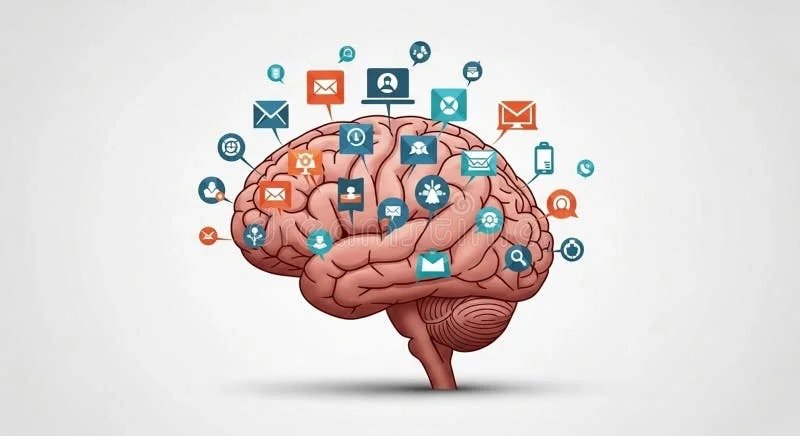
The human brain is magnificent yet limited. Our working memory can hold fewer than ten items at a time. This explains my mental exhaustion at day's end, despite feeling like I hadn't accomplished anything meaningful.
Decision fatigue and reduced focus
Each choice you make from picking reading material to prioritizing emails drains your mental resources. Decision fatigue hits when your brain gets overwhelmed after making countless decisions throughout the day. Your decision-making ability gets worse as these choices pile up.
Parenthood taught me this lesson firsthand. My brain would hit a wall between juggling my children's schedules, work demands, and staying informed. The signs became clear:
Procrastination and avoiding decisions
Impulsive choices (like ordering takeout instead of cooking)
Brain fog and mental exhaustion
Snapping at family members more often
More than that, this mental overload snowballed. My brain searched for shortcuts as choices mounted, which resulted in hasty decisions or complete task avoidance.
The illusion of productivity
The sort of thing I love was discovering that switching between tasks, checking news while emailing or listening to podcasts while cooking didn't boost my productivity. Studies show we take between 10 and 24 minutes to refocus after interruptions.
Multitasking creates a false sense of productivity. My brain wasn't processing multiple information streams at once, it switched between them rapidly, depleting mental resources along the way.
Neuroscience research shows that constant multitasking overtaxes the prefrontal cortex, which handles executive functions. This drops mental performance and creates cognitive overload. My processing speed slowed down and decision-making became harder when I tried absorbing too much information simultaneously.
How it affects memory and retention
My memory's response to information overload raised red flags. The constant stream of content disrupted the connection between short-term and long-term memory.
The science behind this reveals both fascinating and concerning patterns. Our brain's ability to store and retrieve information suffers when we exceed our cognitive capacity. This explained why article contents would slip from my mind just hours after reading.
Research reveals an unexpected twist - limiting information intake to "save" memory space actually hurts overall recall. People who restricted their information intake remembered nowhere near as many words as those who kept receiving information. This finding suggests that managing information better, rather than just reducing it, might be the key.
This revelation changed everything for me as a time-strapped parent. Better information consumption habits, not just reduced quantity, can help manage overload. This understanding pushed me to find tools that could help process meaningful content during brief breaks between parenting duties.
How I found my secret weapon: Blinkist
I couldn't sleep one night and kept scrolling through my phone. That's when I found what became my secret weapon against information overload. My mind wouldn't quiet down despite being exhausted, and then I found Blinkist, an app that breaks down non-fiction books into 15-minute summaries. This random discovery changed how I approach learning forever.
Discovering Blinkist during burnout
Burnout had become part of my daily life. My reading habit disappeared under the weight of parenting and work demands. Just like millions of others in the same boat, I felt anxious about keeping up with information but had no time to learn deeply.
The situation felt all too familiar, reading was my passion in university, but a full-time job left me with zero energy or time for books. The irony hit hard: I wanted knowledge but couldn't focus long enough to finish books anymore.
Blinkist came as the perfect answer to this modern problem: 15-minute summaries of bestselling non-fiction works. The idea appealed to my overwhelmed brain right away, it worked more like a scout than a shortcut.
Why short summaries changed everything
The change wasn't instant, but it was simple. Blinkist didn't just give me condensed content, it freed me from feeling guilty about not spending hours on books that might not help me.
These summaries let me:
Try books before spending hours reading them
Learn quickly between parenting duties
Get the main ideas from books in just 15 minutes
Learn about different topics without reading entire books
I could now read or listen to summaries during small breaks in my day, on my commute, during lunch, or those last 20 minutes before sleep when full books felt too heavy. These previously wasted moments turned into learning opportunities.
How I use Blinkist to stay informed without stress
My information strategy now revolves around using Blinkist during daily life's natural pauses. I switch between reading and listening while cooking dinner, waiting for meetings, or doing house chores.
My approach to information is more focused now. Each morning, I pick one summary that matches what I need whether it's parenting advice, mental health tips, or productivity methods. This targeted approach helps me avoid information overload by choosing what matters.
The system works because real change happens in these 15-minute gaps when I choose quality over quantity. Instead of mindless scrolling, I feed my mind something valuable that helps me grow.
My personal system for smarter information habits
My life changed when I set boundaries around my information consumption. People retain an average of 28,000 emails and 4,000 digital photos. This discovery led me to develop a strategy that prevents digital overload while preserving knowledge.
I only consume what lines up with my goals
My approach is simple. I'm picky about my information sources. As one expert notes, "Where you choose your information will lead to the quality of your knowledge". I stick to 5-10 quality blogs plus academic papers and books. This helps me avoid the "boat-load of misinformation" online.
Weekend curation plays a vital role in my routine. I review my collected information and remove anything that doesn't match my current interests or challenges. This keeps my personal knowledge management system from getting "bloated and full of stuff" I don't need.
I use tools like Blinkist, Todoist, and Focus@Will
My toolkit stays minimal but works well:
Blinkist: Perfect for those 15-minute windows between parenting duties
Todoist: Organizes my reading queue based on priorities
Focus@Will: Provides background music that boosts concentration
These tools work as a holding system until I turn information into knowledge because collecting information isn't the same as having knowledge. This difference is vital for me as a parent.
I take breaks and reflect after learning
Taking breaks has boosted my learning in unexpected ways. Research shows our brains replay learning activities during rest periods faster, and "the more a volunteer replayed the activity, the better they performed".
I pause for 5 minutes after each Blinkist summary to reflect. These breaks let my brain "compress and unite memories". Digital activities stay off during these pauses. Research proves that taking the wrong kind of break "is like not taking a break at all".
I avoid multitasking and batch my reading
We batched similar activities together after dropping the myth of productive multitasking. I now set specific times for focused reading instead of trying to absorb information while doing other tasks.
The "blank sheet method" helps with retention. I write down what I know about the topic before reading. New insights go down in a different color after I finish. This simple practice has boosted my recall without adding much time to my routine.
This system isn't perfect, but it helps me stay informed despite parenting's demands. The secret is "to keep iterating until it feels right", and I adjust my approach when it stops working.
How you can build your own mindful info routine
A mindful information routine takes time and dedication through small daily habits. My reading habits improved dramatically with Blinkist, so I wanted to share a simple framework that works for anyone.
Start with one book summary a day
Make a commitment to spend 15 minutes each day reading one book summary. This simple habit becomes powerful as it builds up over time. Book summaries help you get quick insights without feeling overwhelmed.
Use Blinkist to learn new topics quickly
Blinkist gives you access to over 7,500 non-fiction titles across 31 categories. Think of it as your personal learning playground. The 15-minute summaries work like movie trailers - they help you decide if you want to invest time in the full book. You can also venture into new subjects that challenge your thinking.
Join a book club or share insights with friends
Your understanding grows stronger when you share what you learn. Book discussions with friends and colleagues give you fresh points of view. Sharing on social media can lead to engaging conversations that enhance your understanding.
Track your learning and celebrate progress
Tracking progress helps you stay focused on your goals. A simple chart of completed summaries can help you celebrate milestones. This approach keeps you motivated and builds momentum. The right encouragement turns overwhelming information into an enjoyable learning experience.
Conclusion
Blinkist changed how I learn after having kids left me with no time to read books. I used to waste time endlessly scrolling, but now those small gaps between parenting duties have become chances to learn instead of getting lost in digital distractions.
My experience taught me something valuable - quality beats quantity when it comes to learning. Blinkist helped me fall in love with learning again while being mindful of my brain's limits. The best part is I can stay informed without burning myself out.
Other parents facing these challenges might like some Blinkist summaries that helped me. "Simplicity Parenting" by Kim John Payne showed me ways to build calmer family routines. "Burnout" by Emily and Amelia Nagoski gave me real strategies to handle stress. "Digital Minimalism" by Cal Newport completely changed my relationship with technology.
Managing information doesn't need dramatic changes. Simple shifts make a big difference over time - spending fifteen minutes learning instead of scrolling, taking breaks after absorbing content, and picking quality sources.
Having kids doesn't mean giving up on learning. My reading habits look different now but they're more focused. Blinkist lets me grab useful insights quickly between parenting duties. You don't need huge blocks of free time to keep growing.
Anyone can build a better relationship with information. Try one book summary each day, read about new topics, and share your insights with others. Your brain will thank you for being selective, and you'll find that staying informed feels natural rather than overwhelming.
Try Blinkist and start with just one 15-minute summary. That small shift might be exactly what your overwhelmed mind needs to feel informed without feeling flooded. If you’re living with constant mental noise, decision fatigue, or that sense of always falling behind on what you want to read, you don’t have to keep pushing through it alone.
If you’d like support in understanding information overload, building healthier cognitive boundaries, or creating sustainable learning habits that actually fit into real life, our team at Shoreside Therapies can help. We work with clients to develop practical strategies that reduce mental clutter, restore focus, and support emotional regulation in a digitally saturated world.
Contact VitalMinds today to learn how we can help you feel clearer, calmer, and more in control of your mental space, one intentional 15-minute habit at a time.