

Guide to Self-Care: Online Courses That Help Prevent Burnout
Mental health professionals provide self-care guidance to clients while frequently neglecting their own wellness needs.

Burnout affects counselors through prolonged emotional demands. This condition impacts professional effectiveness and personal well-being when left unaddressed. Symptoms develop gradually and include persistent fatigue, emotional detachment, diminished empathy, and work withdrawal behaviors. Chronic fatigue, emotional withdrawal, and professional dissatisfaction result when practitioners prioritize client needs over personal care.
Self-care prevents burnout, enhances emotional resilience, and maintains work-life balance for counselors. Regular personal care reduces overwhelming stress and burnout risks. Intentional self-care routines create greater job satisfaction, improved client relationships, and sustained professional passion.
Self-care supports physical health by reducing stress-related conditions including headaches, sleep disorders, and compromised immunity. A self-care assessment identifies support needs before problems develop.
This guide presents online courses designed for mental health professionals to prevent burnout. The resources include mindfulness techniques, self-compassion practices, and time management strategies. These courses provide practical methods to maintain professional wellness while continuing client care.
Burnout in Mental Health Practice
"Burnout is nature's way of telling you, you've been going through the motions your soul has departed." — Unknown, Commonly attributed to various sources, but widely recognized in wellness literature
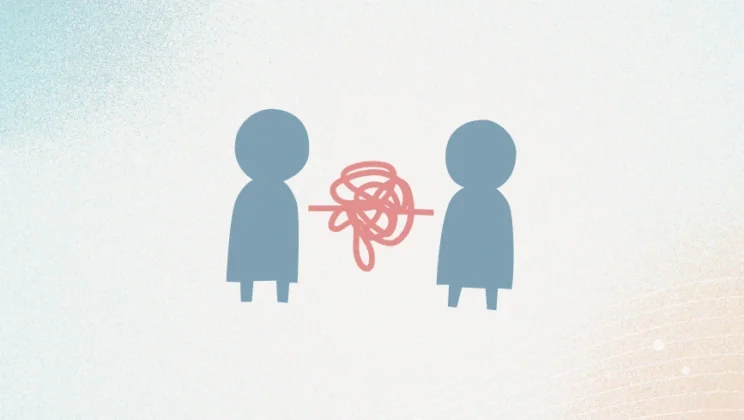
Burnout affects mental health professionals at significant rates. The World Health Organization defines burnout as "an occupational phenomenon resulting from chronic workplace stress that has not been successfully managed". This condition impacts both provider wellbeing and client care quality.
Burnout symptoms for mental health professionals
Burnout presents as emotional, physical, and mental exhaustion from prolonged client care demands. Research indicates approximately 45% of providers experienced burnout in 2022. One study found 78.9% of therapists experienced "high burnout".
Burnout appears through three dimensions:
Emotional exhaustion: Complete energy depletion with no capacity for client or personal care. Therapists experience unresolved fatigue, increased anxiety, and session dread.
Depersonalization: Cynical or negative attitudes toward clients and therapeutic processes. This involves emotional detachment that prevents genuine client connections.
Reduced accomplishment: Diminished confidence in therapeutic effectiveness, skill questioning, and feelings that work produces minimal impact.
Physical symptoms include headaches, gastrointestinal issues, and chronic pain. Behavioral changes such as social withdrawal, irritability, and poor work-life balance compound these problems.
Factors contributing to professional burnout
The therapeutic relationship creates vulnerability through continuous absorption of client emotional pain. This leads to compassion fatigue and secondary trauma. Regular exposure to traumatic material impacts therapist emotional wellbeing through vicarious traumatization.
Organizational factors create significant stress. Heavy caseloads combined with administrative demands produce overwhelming workloads. Role conflict occurs when therapists navigate ethical dilemmas and competing demands from clients and organizations.
Additional contributing factors:
Limited control or autonomy in practice decisions
Poor boundaries between work and personal life
Insufficient colleague recognition and support
High-risk or resistant client populations
Minimal client progress despite sustained effort
Recognition challenges
Burnout remains undetected until reaching advanced stages. This occurs because burnout develops gradually rather than suddenly, making progressive symptoms easy to overlook.
Experienced therapists often fail to recognize signs in themselves. One study participant described burnout as "a personal issue, a sign of weakness, with no proper solution". This perception creates stigma that prevents professionals from acknowledging difficulties.
Burnout symptoms overlap with stress, anxiety, and depression, complicating recognition. Therapists may attribute exhaustion, irritability, or lack of motivation to temporary fatigue rather than identifying serious conditions.
Boundary-crossing therapeutic work creates unrecognized risk factors. Research documents that managing psychological impact of caring for clients with personal connections increases burnout vulnerability.
Regular therapist self care assessment routines identify burnout symptoms early. Implementing structured self-care plans maintains professional effectiveness while protecting wellbeing. This approach supports sustainable therapeutic practice.
Professional Self-Care Requirements
Self-care represents an ethical imperative and professional responsibility for therapists. Professional organizations establish that self-care commitment directly impacts clinical excellence maintenance over time.
Professional Longevity Through Self-Care
Therapy practice sustainability requires consistent self-care habits. The American Psychological Association states that "without self-care, there's not good patient care". Self-care creates conditions for professional flourishing rather than merely preventing negative outcomes.
Self-care protects against therapeutic work stressors. Mental health practitioners engaging in regular self-care experience greater overall well-being, higher positive affect, and improved self-rated clinical performance compared to those neglecting these practices.
Master therapists "prioritize self-care in their profession and take preventative action to protect what they consider their most important therapeutic tool: themselves".
Client Care Enhancement Through Self-Care
Care quality correlates directly with practitioner wellness. Research indicates that "an overloaded, stressed-out therapist is less able to be present, flexible, and emotionally available, all things that keep clients engaged".
Therapist wellness affects therapeutic effectiveness. Chronic stress disconnects practitioners from themselves and clients, creating less attuned, less sensitive interactions. Self-neglect creates tangible impacts on therapeutic relationships.
Clients implement self-care recommendations when therapists model these behaviors. Research notes that "if you don't model it yourself, they won't take it seriously, or they just won't know how to practice it".
Self-Care Assessment for Professional Development
Self-care assessments evaluate current practices and identify attention areas. Comprehensive assessments examine multiple dimensions:
Physical self-care: Sleep, nutrition, exercise, preventative healthcare
Psychological self-care: Self-reflection, personal therapy, intellectual stimulation
Emotional self-care: Relationships, healthy emotional expression, activities that bring joy
Spiritual self-care: Meditation, time in nature, meaningful connections
Professional self-care: Setting boundaries, balanced caseloads, supervision
Assessments function as preventative tools rather than reactive measures. Research states that "self-care activities are the things you do to maintain good health and improve well-being", with assessments helping to "spot patterns and recognize areas of your life that need more attention".
Statistics show 75% of Americans believe self-care activities provide stress relief. Benefits include enhanced self-confidence (64%), increased productivity (67%), and greater happiness (71%). Comprehensive self-care reduces rates of heart disease, stroke, and cancer.
Professional Development Courses for Mental Health Practitioners
Continuing education provides mental health professionals with evidence-based tools to address burnout and establish sustainable self-care practices. We have identified specialized online courses that target three essential areas of professional wellness: mindfulness training, self-compassion development, and clinical time management.
Mindfulness-Based Stress Reduction Training
Mindfulness-Based Stress Reduction (MBSR) represents the evidence-based standard for mindfulness training in healthcare settings. Jon Kabat-Zinn developed this structured 8-week program at the University of Massachusetts Medical School. The program combines meditation practices with gentle movement to reduce stress and enhance present-moment awareness.
Online MBSR courses include these core components:
Mindfulness principles and foundations
Body scan meditation practices
Mindful movement and gentle yoga sequences
Stress and emotion regulation strategies
Scientific research demonstrates that MBSR participants experience significant reductions in anxiety, overwhelm, and physical tension within weeks of beginning practice. Participants report that "even 10 minutes a day made a huge difference in anxiety levels".
Palouse Mindfulness offers a comprehensive MBSR course developed by a certified instructor. This program has trained over 8,000 graduates from 120 countries and includes guided meditations, readings, and videos equivalent to in-person training. Mindfulness Daily with Tara Brach and Jack Kornfield provides a 40-day program with 10-15 minute daily lessons for establishing consistent practice.
Self-Compassion Training for Healthcare Communities
Self-Compassion Training for Healthcare Communities (SCHC) addresses the specific needs of mental health professionals. This 6-week program adapts Kristin Neff and Chris Germer's Mindful Self-Compassion curriculum for healthcare professionals' unique workplace stressors.
Dell Children's hospital research documented significant outcomes: participants showed increased self-compassion, mindfulness, and compassion satisfaction, with decreased depression, stress, secondary traumatic stress, and burnout.
SCHC emphasizes practical application, self-compassion practices can be implemented during client sessions. The Core Skills for Mindful Self-Compassion workshop addresses:
Self-criticism reduction techniques
Difficult emotion management strategies
Encouragement-based motivation approaches
Challenging relationship transformation methods
Clinical Time Management Systems
Time management training addresses the unique scheduling challenges mental health professionals face when balancing clinical work, documentation requirements, and personal wellness activities. The Time Management for Clinicians course provides systematic approaches to professional organization.
The course addresses four foundational areas:
Preparation: Energy assessment and burnout prevention
Planning: Life domain balance and realistic goal setting
Prioritization: Importance versus urgency determination
Productivity: Personal workflow system implementation
Effective clinical time management requires organizing tasks into distinct categories: clinical sessions, administrative responsibilities, professional development, and self-care activities. Time-blocking techniques include 30-60 minute administrative periods at day start, 30-45 minute mid-day documentation blocks, and 30-minute end-of-day note completion while session details remain accessible.
Successful time management treats documentation and self-care scheduling with the same priority as client appointments. This approach prevents administrative tasks from extending into personal time, establishing crucial boundaries for sustainable practice and burnout prevention.
Self-Care Plan Development for Mental Health Professionals
"Set realistic expectations. It's better to do less and do it well than overextend and collapse." — Unknown, Commonly attributed to various sources, but widely recognized in wellness literature
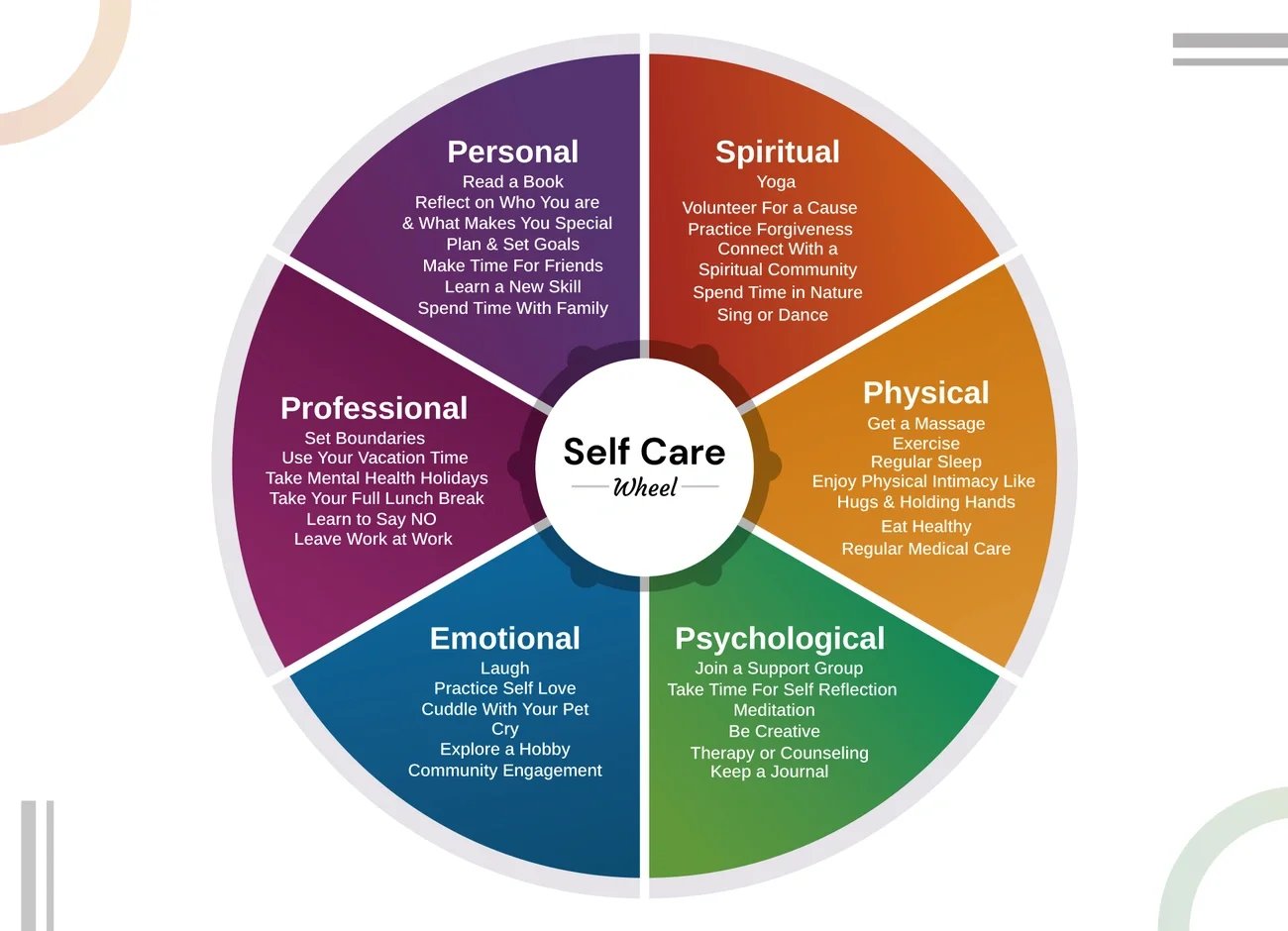
Self-care plan development requires structured design rather than random activities. Organized self-care maintains professional effectiveness while protecting practitioner wellbeing.
Boundary Setting and Caseload Management
Clear boundaries protect both practitioners and clients. Inadequate boundaries deplete emotional resources and reduce therapeutic effectiveness. Over 50% of early career psychologists report feeling burned out, making boundary establishment essential.
Schedule structure should include adequate session breaks, particularly 15-30 minutes following emotionally demanding appointments. Caseload balance involves distributing high-complexity cases throughout the week rather than concentrating them on single days. One therapist observed, "Being too flexible sent mixed messages about therapeutic boundaries needed for effective therapy".
Physical and Emotional Self-Care Integration
Physical and emotional wellbeing provide the foundation for effective self-care plans. Essential domains include:
Physical health: Sleep hygiene, balanced nutrition, regular exercise
Emotional balance: Mindfulness practice, personal relationships, enjoyable activities
Professional support: Regular supervision or consultation with peers
Inadequate sleep reduces care quality—therapists sleeping less than six hours select less demanding tasks and demonstrate reduced effectiveness.
Self-Care Assessment Implementation
Regular assessment identifies patterns and areas requiring attention. The therapist aid self care assessment evaluates self-care activity frequency. This structured evaluation provides "a starting point for thinking about your self-care needs".
Assessment completion should lead to both maintenance and emergency self-care strategies. Maintenance strategies address daily requirements, while emergency plans prepare practitioners for crisis situations.
<contact Vitalminds today to help Therapist's to have Self-Care to Prevent Burnout>
Self-care represents an ethical requirement for providing competent, sustainable care.
Support Resources for Professional Wellness
Peer consultation and supervision
Peer consultation offers non-hierarchical processing of clinical challenges. These groups address isolation and burnout through connection and community building. Consultation groups balance clinical content with emotional processing for open sharing of professional struggles.
Supervision provides three functions: normative standards maintenance, formative skill development, and restorative wellbeing support. Quality supervisor relationships reduce emotional exhaustion and enhance professional resilience.
Technology resources for daily practice
Digital tools support self-care between formal activities:
Mindfulness apps – Insight Timer offers guided meditations from secular to spiritual practices
Self-reflection tools – Journaling applications track emotional patterns and identify stressors
Practice management – SimplePractice streamlines administrative tasks and reduces paperwork demands
Professional education and networks
Professional organizations provide specialized self-care training programs. The American Psychological Association offers self-care strategies for practitioners at all career stages. These programs connect therapists with colleagues who understand the specific challenges of therapeutic work.
If you’d like personalized guidance on integrating self-care into your professional and personal life, our team at Shoreside Therapies is here to help. Through therapy and supervision, we can support you in preventing burnout and maintaining your well-being as a therapist.
👉 Contact us today to learn how we can help you cultivate balance, resilience, and renewed energy in your work and life.