
Healthy relationships require emotional intelligence and clear boundaries. Emotional independence allows individuals to maintain their identity while connecting with others.

Strong relationships require communication skills, emotional intelligence, and conflict resolution abilities. Without proper boundaries, relationships can become overwhelming or harmful. Emotional independence involves maintaining personal identity while forming deep connections with others.
Healthy boundaries support self-care and relationship function. Research indicates that established boundaries help regulate stress hormones, improve emotion regulation, and enhance relational outcomes. Courses like The Strong Heart by Dr. Rick Hanson, a psychologist and New York Times best-selling author, provide structured guidance for relationship skills.
Relationship therapy research spanning four decades has developed practical tools for emotional independence. Boundary setting remains essential for physical and emotional health. These resources teach individuals to form deep connections while maintaining personal needs, thoughts, feelings, and desires.
How to Communicate Your Needs – The Art and Science of Love
"Maybe it's not the depth of intimacy in conversations that matters. Maybe it doesn't even matter whether couples agree or disagree. Maybe the important thing is how these people pay attention to each other, no matter what they're talking about or doing." — John Gottman, Co-founder of The Gottman Institute, Professor Emeritus of Psychology, University of Washington
Communication skills form the foundation for maintaining individual identity within relationships. Clear expression of personal needs can transform partner connections, particularly through evidence-based programs.
What The Art and Science of Love teaches
Drs. John and Julie Gottman developed The Art and Science of Love workshop using practical tools from over 50 years of relationship research with thousands of couples. This workshop focuses on methods that work in stable, happy relationships rather than theoretical approaches.
Participants learn specific skills to:
Foster respect, affection, and closeness with partners
Keep conflict discussions calm and productive
Break through and resolve gridlocked issues
Build and share deeper connections
Strengthen and maintain relationship gains
The program uses the Gottman Method's core concepts, including Sound Relationship House theory. Day one focuses on increasing positive feelings and building admiration between partners. Day two addresses conflict management and "perpetual problems", issues that may never resolve due to personality differences or lifestyle needs.
The workshop teaches recognition of the "Four Horsemen" (criticism, contempt, defensiveness, and stonewalling) that damage relationships, plus their antidotes. Participants learn Love Maps, understanding partners' inner worlds, and turning toward each other's bids for connection.
Why it helps emotional balance
Couples typically wait six years after problems begin before seeking help, often reaching points where resentment makes repair difficult. This workshop provides early intervention tools that produced positive results for 94% of participants.
The "magic ratio" concept teaches maintaining at least five positive interactions for every negative one. This ratio helps couples build an "Emotional Bank Account," allowing them to draw on positive feelings during stress.
Physiological awareness plays a crucial role in emotional balance. Participants learn to recognize "flooding", physiological responses during conflict, and manage intense reactions before they disrupt communication.
Participants learn six essential skills for effective conflict resolution. These skills create pathways for expressing needs without triggering partner defensiveness. Replacing criticism with "I" statements shifts from blame to expressing feelings, creating safety for open dialogue.
How it supports emotional independence
The workshop addresses Dr. John Gottman's concept of "the dance of intimacy and independence" in relationships. This balance remains essential, excessive togetherness or separateness creates relationship tension.
For individuals struggling to express independence needs, the workshop provides frameworks for communicating these needs without making partners feel rejected. Couples learn to respect each other's autonomy while maintaining connection through specific exercises.
One participant noted, "The workshop gave me the language and space to think about what I wanted to say, what we both needed, and how to compromise". Couples begin viewing conflict as opportunities to understand each other's inner worlds and needs rather than threats.
Private exercises allow couples to practice skills in controlled environments without group sharing. Former participants report months later finding themselves "reaching for prompts given during the workshop that help articulate feelings and listen deeply" to their partners.
Understanding Attachment Styles – Love, Trauma, and Relationships
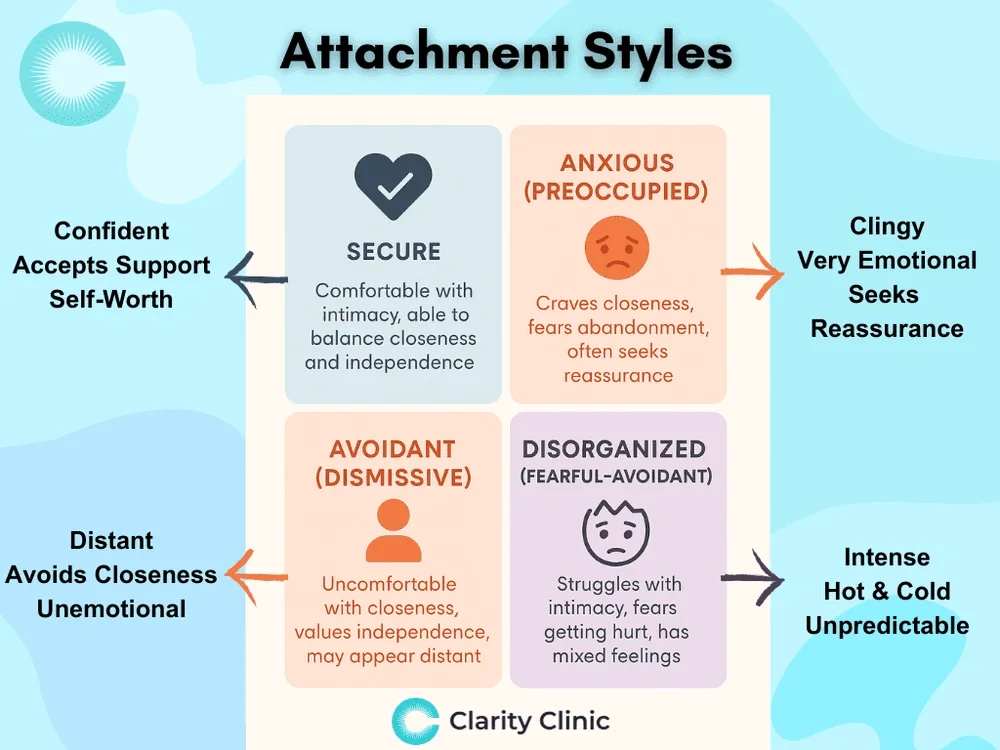
Attachment patterns established during childhood influence adult relationship functioning. These patterns determine connection abilities and individual identity maintenance within relationships.
What Love, Trauma, and Relationships teaches
Terry Real and Thomas Hübl lead this course combining psychotherapy with spiritual practices for relationship wound transformation. Over 22 hours of teachings, guided exercises, and case studies examine how childhood experiences form internal working models affecting adult relationships.
Course content includes:
Individual consciousness to relational consciousness shifts
Defensive reaction management when early wounds activate
Trauma effects on nervous system and relationship function
Generational pattern transformation affecting connection
Co-regulation techniques with partners
Partner trauma storage in physical body recognition
The program explains four attachment styles: secure, anxious-preoccupied, avoidant-dismissive, and fearful-avoidant. Each style demonstrates specific adult relationship interaction patterns connected to childhood experiences.
Participants learn to identify when relationship "chemistry" represents nervous system fight-or-flight responses rather than genuine compatibility.
Why it helps emotional balance
Connection difficulties often stem from trauma-related relationship patterns. "We live in a world that champions competition not collaboration, the individual not community", fostering disconnection environments.
The course addresses balance through trauma neurobiology education. Participants understand reactions as adaptive responses rather than character defects. Recognizing how "trauma gets stored in the physical body" enables addressing impulsive relationship behavior roots.
Specific techniques teach participants to "rewire your nervous system from fear to love". This process expands "window of tolerance", emotional zones allowing clear thinking during relationship stress.
The emotional intelligence approach proves valuable. A 2022 meta-analysis of 78 studies demonstrated significant correlation between emotional intelligence and relationship satisfaction. Emotion identification and communication skills transform reactions into reflections, conflicts into repair opportunities.
How it supports emotional independence
The course reframes healing and independence relationships. Rather than promoting "love yourself first" approaches that create isolation, it recognizes "healing is often expedited in co-regulated environments" because "humans are not designed to self-soothe in a vacuum".
This perspective shifts from requiring perfection before relationships to using relationships as growth vehicles. Emotional independence involves maintaining individual sense while connecting with others.
Hyper-independence receives specific attention as potential trauma response rather than strength. This self-reliance often masks "exhaustion, loneliness, maybe even resentment". Recognizing when self-sufficiency no longer serves enables healthier interdependence development.
High-achieving individuals learn how "the very professional strengths that helped you survive, fierce independence, perfectionism, relentless drive, can become barriers to the vulnerability and interdependence that intimate relationships require".
The program develops "earned security", new neural pathways allowing professional excellence and emotional intimacy without sacrifice.
Mindful Relationship Habits – Real Love by Sharon Salzberg
Mindfulness practices support relationship development. Sharon Salzberg's "Real Love" course presents love as a skill rather than an external need.
What Real Love teaches
Real Love presents love as an ability rather than an emotion. Salzberg states, "love is not a feeling, love is an ability", a skill that can be developed. This approach changes how individuals view relationships.

Course participants learn:
Self-compassion development as a foundation for relationships
Recognition and interruption of negative thought patterns
Lovingkindness practices for difficult relationships
Methods for addressing shame and perfectionism
Ethical boundary maintenance in relationships
The program uses Buddhist principles while remaining accessible to diverse backgrounds. Salzberg combines mindfulness and lovingkindness meditation to address cultural expectations about love.
The course addresses "negativity bias", the tendency to remember negative events more strongly than positive ones. Participants learn practices to counteract this bias for balanced relationship perspectives.
Why it helps emotional balance
Real Love addresses emotional stability during relationship challenges. Salzberg explains, "with meditation, we can actually retrain our nervous systems away from this fight-or-flight response". This training creates stability during conflicts.
The course addresses perfectionism and self-criticism as barriers to growth. Salzberg teaches participants to manage difficult emotions without becoming overwhelmed, creating space for healing and communication.
For individuals experiencing shame or self-judgment, the practices challenge negative internal patterns. The course notes, "a lack of real love for ourselves is one of the most constricting, painful conditions we can know". Self-compassion development creates freedom in relationships.
The course includes forgiveness practices for releasing resentments rather than excusing harmful behavior. This approach restores emotional balance by addressing accumulated hurt that affects relationship behavior.
How it supports emotional independence
Real Love maintains healthy boundaries while fostering connection. The program teaches that genuine connection requires respecting individual space"recognizing boundaries while remaining curious and willing to listen".
Participants learn that emotional independence and connection are compatible goals. Salzberg explains, "when we cultivate tenderness and compassion for the whole of our experiences... we naturally behave more kindly and responsibly toward others". Self-awareness creates security for authentic connection.
The course addresses misunderstandings about relationship independence. Salzberg describes loving others as "recognizing a fundamental interconnectedness of life and how our lives are inextricably interwoven". This understanding maintains individual identity while acknowledging connection.
Regular practice creates resilience against emotional reactivity. Participants learn to notice assumptions that function as relationship filters, gaining freedom from habitual interaction patterns.
Healing from Codependency – Strengthening Your Relationship by Dr. Finlayson-Fife
"I could lose Tzinta or not but I would still be wedded to myself. Still circling my own fears and wounds with whoever else was on hand." — S. Bear Bergman, Author and relationship columnist
Codependency creates exhaustion and resentment in relationships. Dr. Jennifer Finlayson-Fife's "Strengthening Your Relationship" course addresses these patterns while maintaining genuine connection.

What Strengthening Your Relationship teaches
This online course helps couples identify and change patterns that undermine relationship satisfaction. Participants learn to:
Identify codependency styles in their relationship
Create beliefs that support self-care without guilt
Move from external approval to self-validation
Set healthy boundaries at appropriate pacing
Manage difficult emotions with confidence
Assess relationship health objectively
Develop techniques for healing deep-seated resentments
The course addresses codependency as stemming from lack of self-worth, learned behaviors that become relationship addictions. Through 11+ hours of on-demand video sessions, Dr. Finlayson-Fife guides participants through understanding these patterns and developing alternatives.
The course provides actionable steps to heal divisions, create peace, and experience greater joy together. Participants learn to recognize when they sacrifice authenticity for others' approval and how to break this cycle without abandoning compassion.
Why it helps emotional balance
The course addresses emotional regulation, which research shows is essential for relationship health. The program teaches couples to manage emotions during conflicts and stressful situations, preventing automatic fight-or-flight responses that damage relationships.
The program acknowledges that unbalanced relationships typically arise from attachment issues, one partner may do all emotional labor (anxious attachment), or one may feel their partner is too demanding (avoidant attachment). Dr. Finlayson-Fife's approach recognizes that both self-regulation and mutual regulation are necessary for emotional balance.
The course teaches the difference between taking responsibility for your own emotions versus absorbing your partner's feelings. Learning to sit with discomfort when others are upset without rushing to fix their emotions represents a major shift for codependent individuals.
The focus on boundaries provides particular value. For those struggling with people-pleasing behaviors, learning to define and communicate personal limits creates the foundation for emotional stability. These boundaries clarify where one person ends and the other begins.
How it supports emotional independence
This course recognizes that recovering from codependency is significantly harder alone. The program offers guided development of self-trust while building mutually satisfying connections.
The program challenges the "half-full" relationship model where partners depend on each other to fill emotional gaps. This dependence often creates disappointment, resentment, and exhaustion. Dr. Finlayson-Fife teaches couples to develop emotional independence where both partners bring fullness to the relationship.
A core principle is learning that emotional independence doesn't mean emotional isolation. The course helps participants understand that true independence means having strength to be authentic, including expressing vulnerability without sacrificing integrity or sense of self.
For those who've built identity around taking care of others, the course provides practical exercises to develop intuition and inner guidance. This shift from external validation to internal awareness forms the cornerstone of emotional independence, allowing participants to make choices aligned with their authentic selves rather than anticipated reactions from others.
Building Emotional Resilience – The Strong Heart by Dr. Rick Hanson
Emotional resilience supports relationship stability during stress. Dr. Rick Hanson's 4-week course "The Strong Heart" provides tools for emotional independence while maintaining connection.
What The Strong Heart teaches
The Strong Heart addresses four relationship domains:
Supporting Yourself: Participants learn self-advocacy, self-care, and self-compassion. These skills establish internal security for healthy interdependence.
Compassionate Strength: The course teaches balance between personal needs and relationship needs, internal strength development, and compassion capacity. This prevents boundary sacrifice for connection.
Being Your Best: Content covers unilateral virtue, empathy development, and forgiveness practices. These build resilience against relationship disappointments.
Communicating Effectively: Students learn wise speech, self-assertion, and emotional regulation during conversations. These skills maintain separate identities during disagreements.
Dr. Hanson teaches methods for "staying present with others while remaining centered in yourself" and "respecting the needs of others while honoring your own". This addresses emotional independence within close relationships.
The program includes talks, guided practices, reflection exercises, and relationship expert interviews. As a psychologist and New York Times bestselling author, Hanson presents complex psychological concepts in actionable steps.
Participants receive reflection sheets covering "unpacking relationship issues" and "getting on your own side". These materials support daily relationship practice implementation.
Previous participants report immediate applicability. One stated: "The course is smart, builds well, and is easy to start using right away". Another noted the course provided "a much better understanding about myself in relationship to others" and created "a solid place to start developing the relationships that I need and want".
Students learn emotional resilience extends beyond self-protection to maintaining authenticity while staying connected. One participant explained the course "helped me to communicate my needs and to be more compassionate and gentle in my approach... it taught me to consider my impact on others".
Learn to Love Without Losing Yourself
Healthy relationships require emotional balance, not self-erasure. Loving others doesn’t mean abandoning your needs, values, or identity. True connection comes from maintaining a grounded sense of self while building closeness with partners, family, or friends.
Learning to love without losing yourself involves developing emotional awareness, practicing clear communication, and setting compassionate boundaries. These skills help you stay centered during conflict, reduce people-pleasing, and cultivate relationships that support rather than drain your well-being.
Exploring structured relationship courses can provide long-term tools for self-regulation, secure attachment, and mutual respect. These programs teach practical strategies for navigating triggers, expressing needs, and staying connected to your inner world while engaging meaningfully with others.
If you’d like support in understanding your relationship patterns or applying what you learn, our team at Shoreside Therapies can help you integrate these tools through therapy and supervision.