


About 264 million people worldwide suffer from depression. My first encounter with neuroplasticity changed everything. The brain's capacity to reorganize itself by forming new neural connections throughout life became a powerful framework that shaped my mental wellness experience.
Scientists have shown that this plasticity lasts our entire life. It supports learning, memory, and recovery from injury or disease. Resilience, knowing how to adapt and recover from adversity, serves as a cornerstone of mental health. This piece details my experiences with nervous system recovery approaches. These include ketamine therapy and the way mindfulness boosts neuroplasticity through increased gray matter density in brain regions tied to self-awareness. Mindbloom offers innovative mental health solutions worth learning about. Antidepressant therapy can influence neuroplasticity and reverse the neuroanatomical changes in depressed patients.
The Science of the Nervous System and Mental Health
The complex network that controls our responses to the world around us helps us understand how our minds and bodies work together. Our body's command center - the nervous system - orchestrates everything from simple biological functions to our most complex emotional responses.
How the nervous system regulates stress and emotion
The autonomic nervous system (ANS) is vital in regulating our emotional states through its two main branches. The sympathetic nervous system triggers our "fight-or-flight" response when we see threats. This releases a cascade of stress hormones like epinephrine that make our heart beat faster and raise blood pressure. The parasympathetic nervous system acts as our body's natural brake and promotes "rest-and-digest" functions that help us recover from stressful events.
These systems' influence on our emotional well-being fascinates me. Studies show that heart rate variability (HRV) measures beat-to-beat changes in heart rate and indicates how well we regulate ourselves and respond to stress. People with higher HRV often show better emotional flexibility under stress, which suggests that nervous system regulation builds mental resilience.
The PRESSURE model (Predominant Stress System Underpins Regulation of Emotions) suggests that stress affects emotion regulation differently based on which stress system is more active at any time. Stress affects emotion regulation differently depending on timing, sex hormones, and specific regulation strategies.
Neuroplasticity: the brain's ability to adapt and heal
Our brains can adapt remarkably through neuroplasticity, knowing how to form new neural connections throughout life. Scientists once thought this happened only during early development, but we now know it continues throughout our lives.
Neuroplasticity lets the brain heal significantly after injury or trauma. The brain rewires itself during recovery and creates new neural pathways around damaged areas. Strengthening these new connections needs thousands of repetitions of therapeutic activities.
Understanding these mechanisms shows us we can actively reshape our neural pathways. Mindfulness and breathwork aren't just trendy wellness techniques, they're proven tools that change our nervous system's function and promote adaptive neuroplasticity.
My mental wellness trip has taught me that being curious about these processes helps reduce fear around symptoms. Learning about regulation tools and therapies like those from Mindbloom are a great way to get our brain's natural capacity for change and healing.
How Trauma Disrupts the Nervous System
Trauma affects our bodies in ways many people don't fully understand. Our nervous system's function and response to the world changes fundamentally from trauma. It's more than just an emotional experience.
Fight, flight, freeze: survival responses gone awry
Our bodies react instinctively with survival responses, fight, flight, freeze, or fawn when faced with danger. These reactions aren't choices but automatic protective mechanisms deeply rooted in our nervous system. My healing process taught me that these responses are our brain's way to keep us alive in threatening situations.
The sympathetic nervous system acts as our body's accelerator pedal. It triggers these protective measures by releasing adrenaline that makes our heart pound, breathing quicken, and muscles tense. Our parasympathetic nervous system, the brake helps our body return to balance once the danger passes under normal circumstances.
But trauma disrupts this natural cycle. The body of many survivors stays stuck in constant alertness. Their nervous system remains activated well after the traumatic event ends and can't move back into safety mode.
Long-term effects of nervous system dysregulation
Nervous system dysregulation can create profound lasting effects. People get stuck in "fight-or-flight" or trapped in "freeze" responses when their sympathetic nervous system stays chronically active. This dysregulation shows up as watchfulness, where people always expect danger and easily slip into states of anger or anxiety.
Physical health suffers too. Scientists have connected nervous system dysregulation to autoimmune disorders, digestive problems, sleep disturbances, and chronic pain. The brain's structure and function also change from trauma, especially in areas that handle emotional regulation, memory, and decision-making.
My curiosity about these biological processes helped me heal. I learned my symptoms weren't character flaws - they were my nervous system trying to protect me. This knowledge helped normalize my experiences. Mindbloom's regulation tools and therapies, including ketamine therapy, showed me ways to rewire these responses. I found new patterns of safety and connection through these innovative approaches.
Modern Interventions for Rewiring the Brain
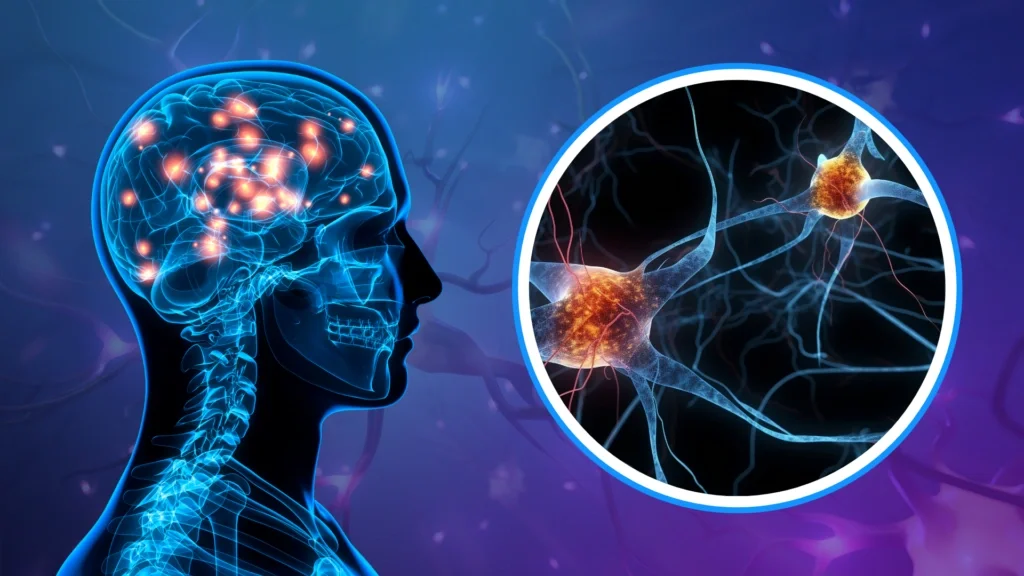
My curiosity extends beyond understanding how trauma affects our brain. I wanted to explore state-of-the-art interventions that could rewire neural pathways. Mental health treatment options are expanding faster than ever, bringing new hope to people who haven't responded well to traditional approaches.
Ketamine therapy: fast-acting relief for depression
Ketamine stands apart from conventional antidepressants. It provides relief within about 40 minutes instead of taking weeks to work. This medication targets different brain systems than typical antidepressants and allows rapid regrowth of synapses (connections between neurons). Basically this means that new connections in our brain are made. Why is this important? When you are depressed the connections in our brains start to decline, because we tend to do less and learning decreases. When depression stricks we need to save energy because even the small things can be exhausting. Ketamine brings hope to people with treatment-resistant depression where at least two standard medications have failed. It boosts neuroplasticity and creates a critical period when the brain becomes more adaptable. If you are interested in learning more about how ketamine works check out this video from Shoreside Therapies: Ketamine Boom: Is it Safe? Kate Stocks from Shoreside Therapies talks about how Ketamine works and how it can be helpful. Kate works with a Journey medical provider to provide assistance with ketamine treatment in order to have the best experience as possible.
Mindbloom and the future of at-home psychedelic care
Mindbloom's approach to making ketamine therapy available from home has captured my interest. Their platform connects you with licensed clinicians who treat anxiety, depression, and other mental health conditions. The results speak for themselves - 89% of clients report improvement in their depression and anxiety symptoms after just four sessions. Even better, 84% maintain progress or recover with continued treatment.
Better U Care: A Newer, Flexible Option
Better U Care offers at-home ketamine therapy with medical oversight, typically designed to be more accessible and flexible than in-clinic models.
What Stands Out
• At-home treatment model
• Medical evaluation and prescribing clinicians
• Focus on affordability and accessibility
• Supportive structure without heavy branding or hype
Better U Care may appeal to people who:
• Want a lower-cost entry point
• Prefer a less “corporate” feel
• Are comfortable doing deeper integration work with their own therapist or support system
Because I haven’t personally used Better U Care yet, I encourage you to:
• Ask detailed questions during the intake
• Clarify what integration support is included
• Make sure it aligns with your mental health history and goals
Learn more about Better U Care here
Neurofeedback and brainwave training
Neurofeedback has changed my perspective on brain regulation. This non-invasive method measures brainwaves and gives up-to-the-minute feedback that helps the brain self-regulate. The process uses audio or visual signals to reward desirable brain activities while discouraging unwanted ones. Neurofeedback boosts focus, emotional regulation, and cognitive performance by balancing specific brainwave patterns like reducing theta waves and increasing beta activity.
Somatic therapies and body-based healing
My experience has taught me that trauma exists in our bodies at a cellular level. Somatic therapy addresses this reality by examining how the body expresses painful experiences. This therapy uses the body as the starting point for healing, unlike cognitive approaches. It teaches techniques to release trapped emotions through body awareness, pendulation, titration, and resourcing.
Lifestyle Changes That Support Nervous System Recovery
Daily practices play a vital role in my nervous system healing experience. These available tools work alongside treatments like ketamine therapy and provide continuous support.
Mindfulness and breathwork for daily regulation
Breathwork directly activates the parasympathetic nervous system and helps your body change from "fight-or-flight" to "rest-and-digest" mode. Box breathing (inhale 4, hold 4, exhale 4, hold 4) and the 4-7-8 technique help calm your nervous system before emotional spirals begin. Your nervous system learns to relax more easily with just 5-10 minutes of daily practice.
Movement and exercise as brain boosters
Regular physical activity boosts brain-derived neurotrophic factor (BDNF), which enhances neuroplasticity. A simple 20-30 minute daily walk activates powerful anti-depressant effects. Research shows this reduces clinical depression symptoms as well as some medications do. Exercise also improves sleep quality, which helps the brain's "nighttime cleaning crew" remove toxins linked to neurodegenerative diseases more efficiently.
Learning new skills to build cognitive flexibility
Knowing how to adapt to changing situations - cognitive flexibility - grows stronger when you learn new skills. This creates new neural pathways and expands your "optimal zone" where you can function without feeling overwhelmed. Reading, learning languages, or practicing music build resilience against cognitive decline.
Platforms like Mindbloom and Better U help normalize curiosity about these processes and provide effective regulation tools while reducing fear around symptoms.
My experience of rewiring my nervous system has shown me the brain's remarkable abilities to heal and adapt. Neuroplasticity gives real hope to people struggling with mental health challenges. Our symptoms come from biological responses and our brain patterns, not personal weaknesses.
Understanding nervous system regulation has changed how I view mental wellness. I see anxiety, depression, and trauma responses as patterns we can reshape through practice and the right interventions. This change in point of view feels liberating. We can shift out of the negative thoughts and shame and move into the steps that can help us actually feel better.
Ketamine therapy stands out as a promising option for people who haven't found relief through traditional methods. These innovative therapies are more available through services like Mindbloom that provide professional guidance. Their methods have helped many people find relief when standard treatments didn't work.
Daily practices play a significant role in nervous system recovery. Breathwork, mindfulness, regular movement, and learning new skills create new neural pathways. These support emotional regulation and resilience. Simple tools complement intensive therapies when used consistently.
People often feel scared when experiencing nervous system dysregulation. Understanding the biology behind these experiences helps normalize them and reduces shame. Learning about how our bodies respond to stress and trauma ended up giving us the power to heal actively.
The path to nervous system recovery isn't always straightforward. A mix of innovative treatments, daily regulation practices, and self-compassion creates a strong foundation for lasting change. I've learned that our brains and bodies have incredible wisdom - they just need the right conditions and tools to heal.
If you’ve been living with ongoing anxiety, depression, emotional exhaustion, or the sense that your nervous system is constantly on edge, you don’t have to keep navigating it alone. Exploring innovative options like ketamine-assisted therapy can create the conditions for real change by supporting neuroplasticity and helping the brain step out of stuck patterns.
Mindbloom and BetterU offer a clinician-guided, at-home ketamine therapy experience designed to support nervous system regulation, emotional flexibility, and long-term mental wellness. For many people, this approach becomes a powerful entry point when traditional treatments haven’t brought the relief they were hoping for.
Final Thoughts on Ketamine Treament
If you’re curious but cautious, that’s healthy.
Whether you explore Better U Care, Mindbloom, or neither, my hope is that you choose an option that:
Respects your nervous system
Honors your mental health history
Supports long-term integration—not just short-term relief
If you’d like to explore either option further, you can do so here:
And if you have questions you want help thinking through—especially around integration, readiness, or whether this type of work makes sense for you—I’m always happy to talk it through.
If you’d like support understanding whether this kind of therapy could be right for you, integrating your experience, or building a sustainable plan that supports your nervous system, the team at Shoreside Therapies can help.
Transparency note: I haven’t personally gone through any of these programs (yet). My perspective comes from professional experience as a therapist, reviewing each company’s approach, and staying informed on current research and client-reported experiences. This page contains affiliate links, which means I may earn a small commission if you choose to explore one of these options—at no extra cost to you.